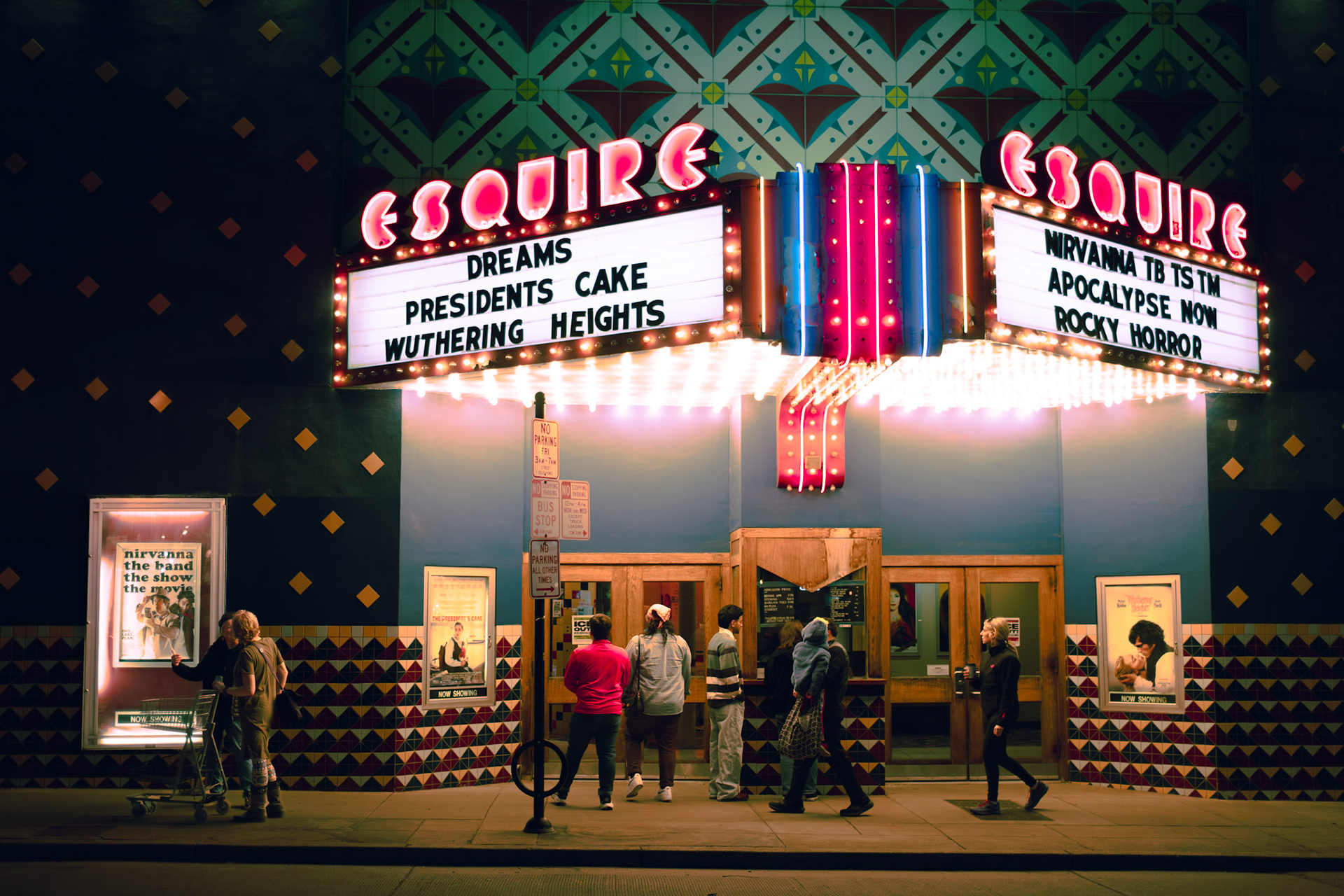
Objective
To create a collection of images that accurately, thoroughly, and beautifully represent a people and place over an extended period of time.
Concept Development
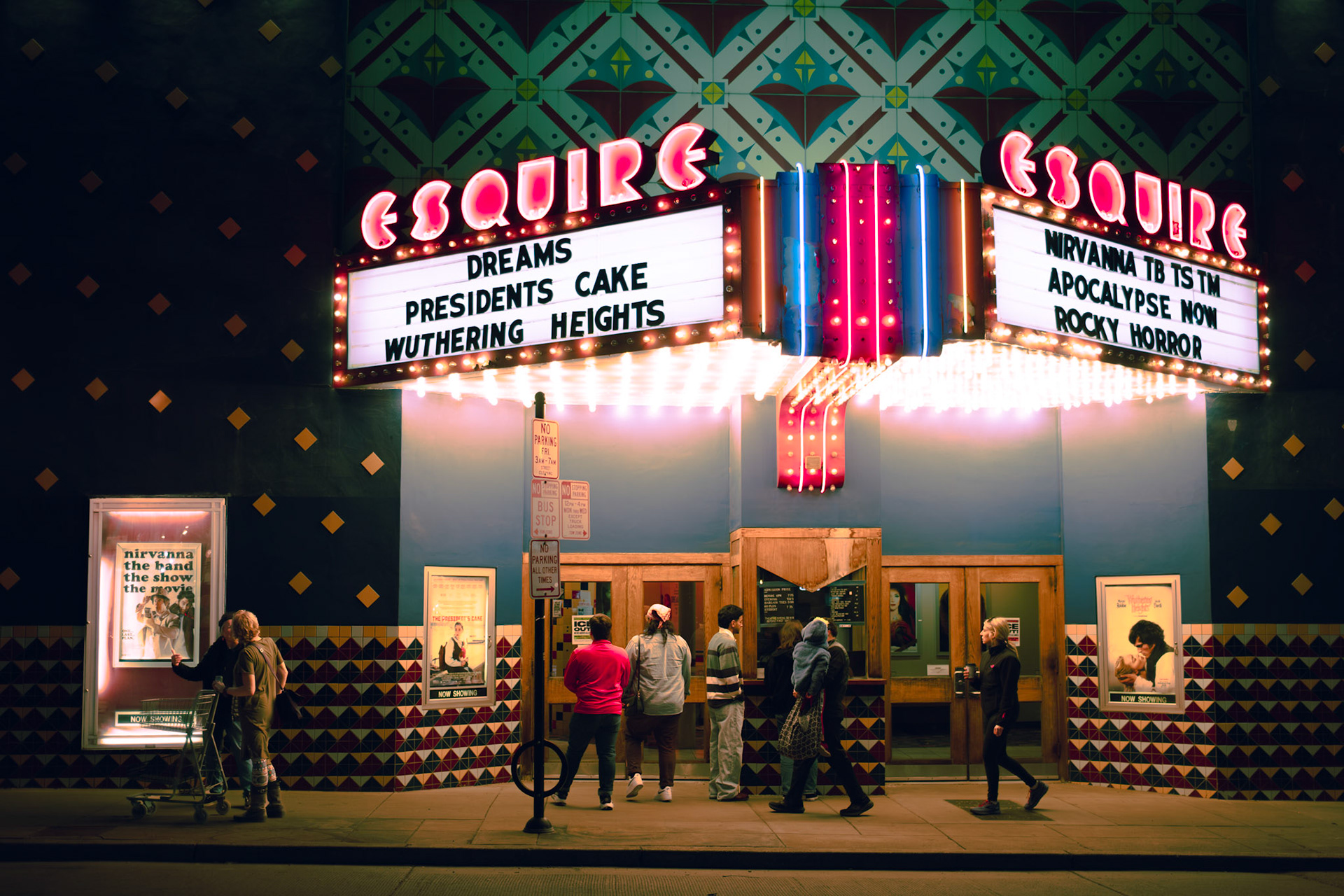
The Esquire Theater has stood the test of time at 320 Ludlow Avenue since 1911. It has remained a constant gathering place while the people, films, and community around it continue to change.
I am drawn to the contrast between its permanence and the constant movement within it. Photographing the employees and space throughout the semester will allow me to explore how a place can remain constant while the people, interactions, and stories within it are constantly changing.
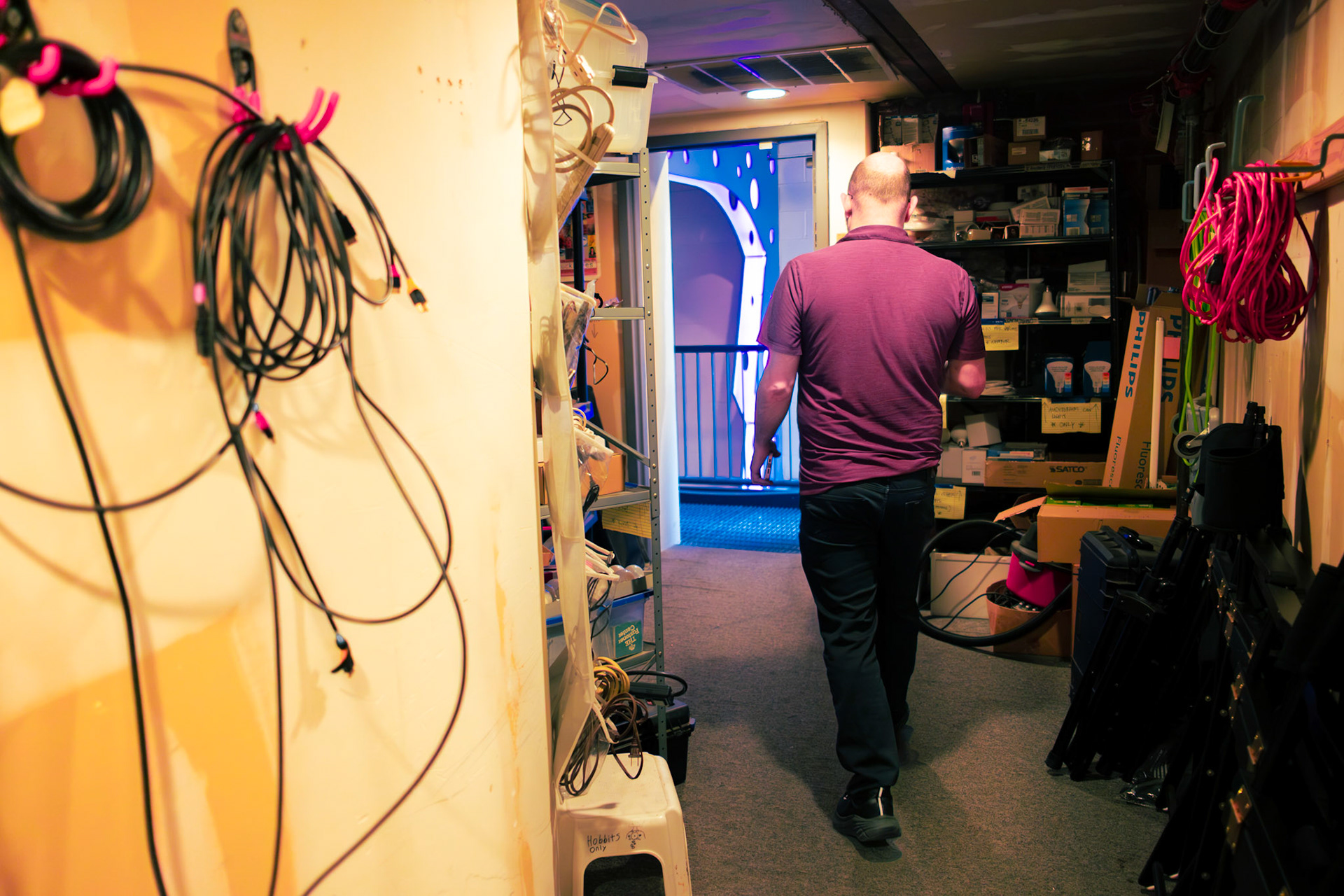
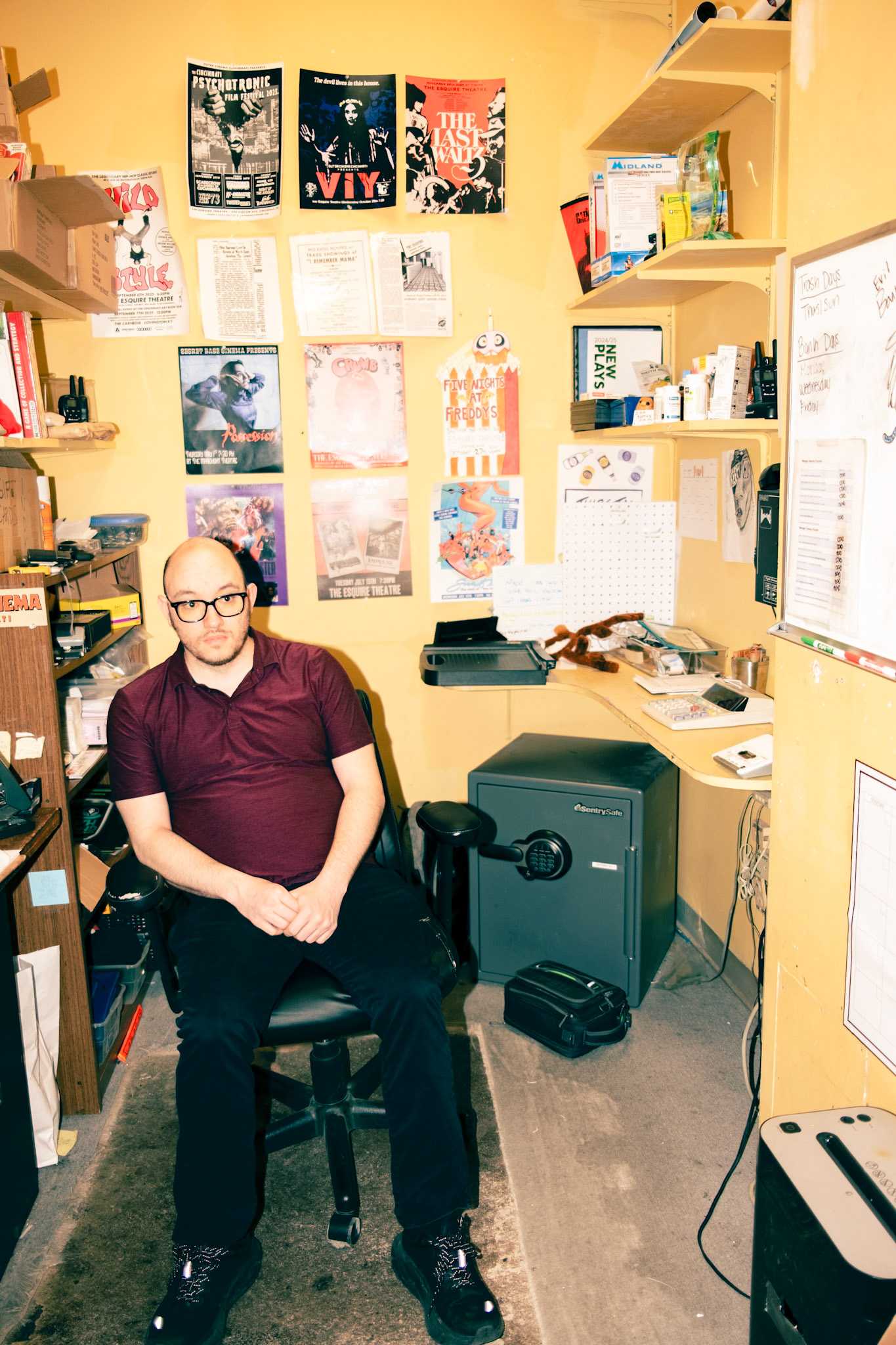
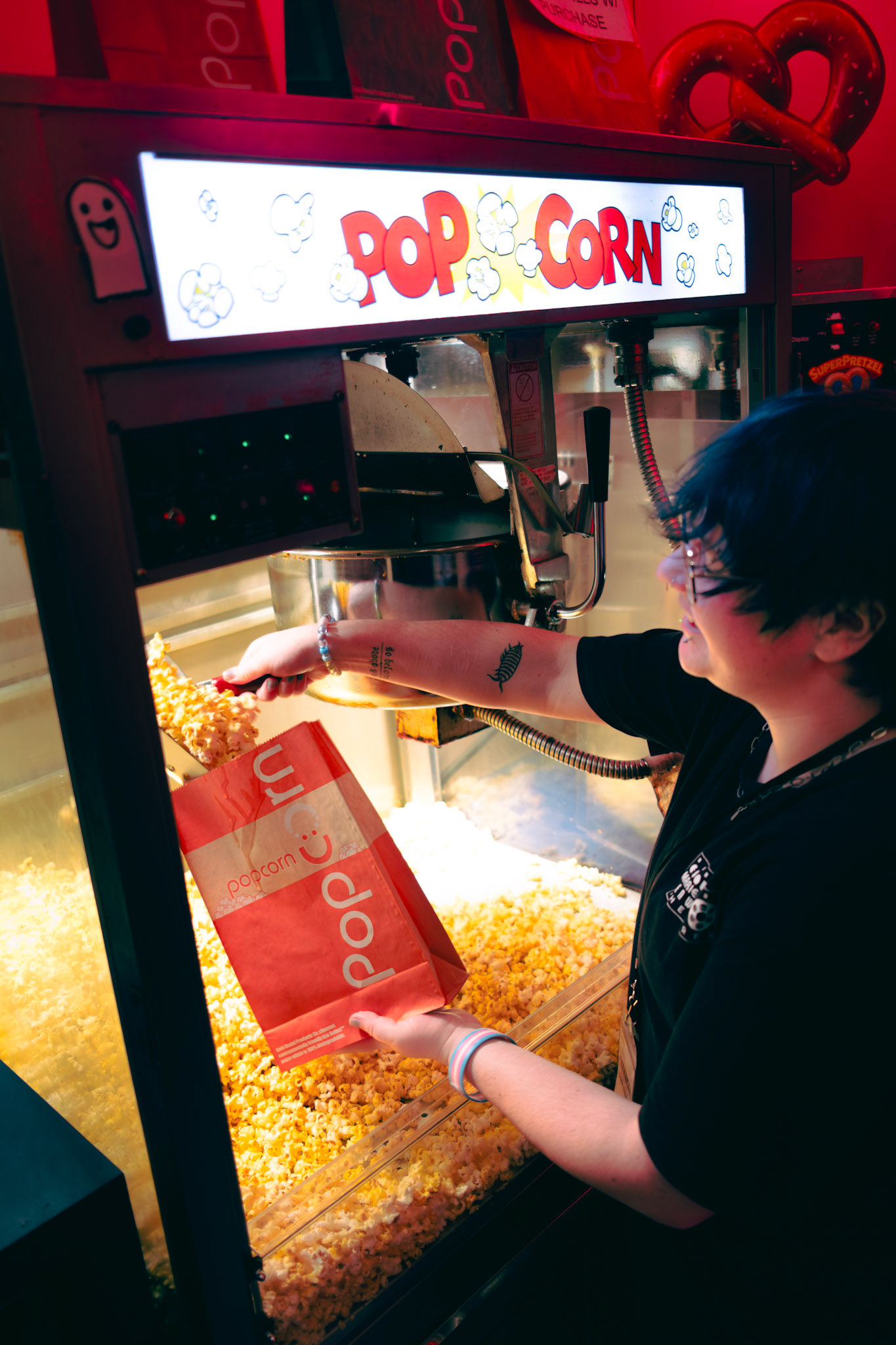
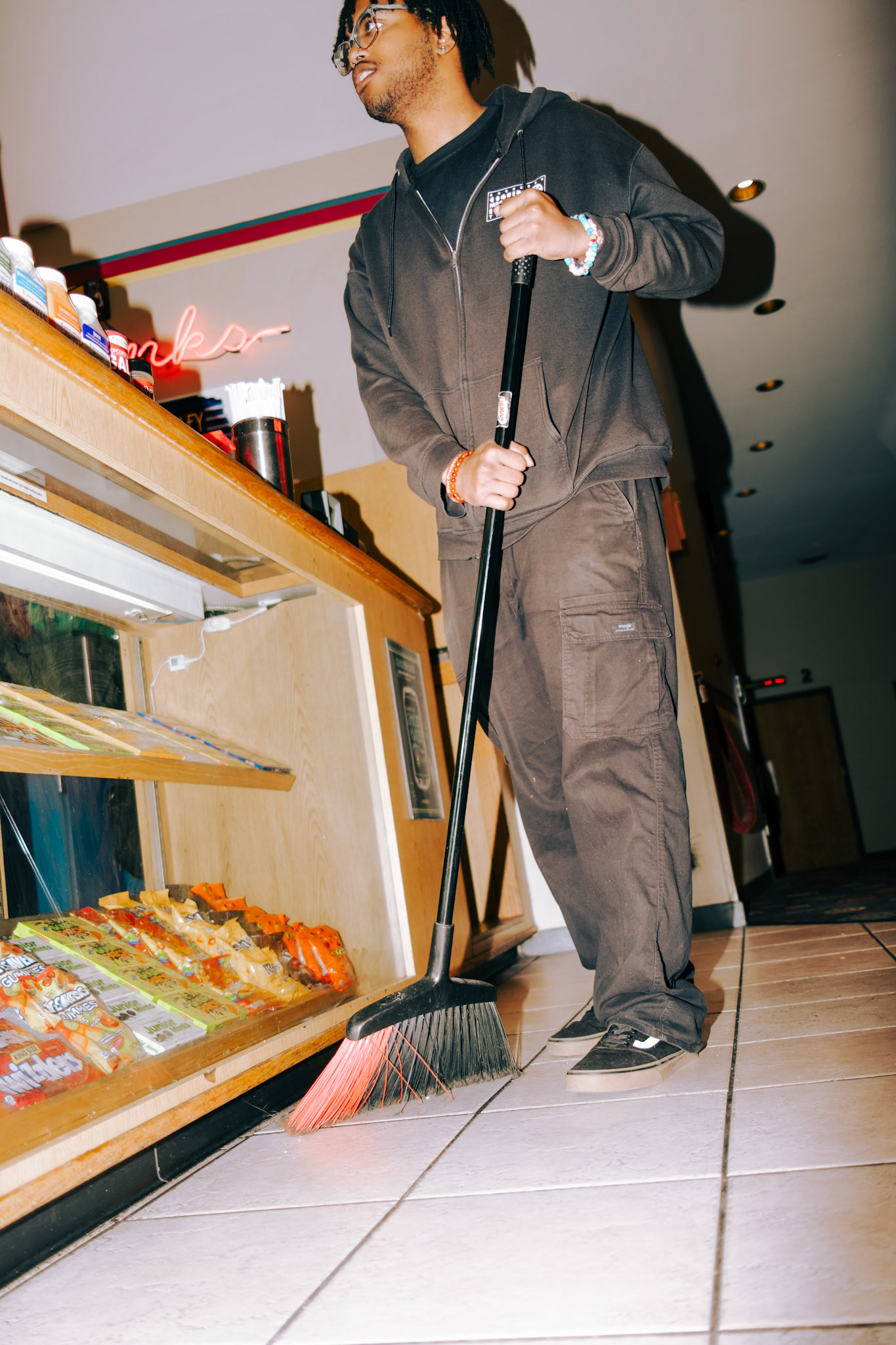
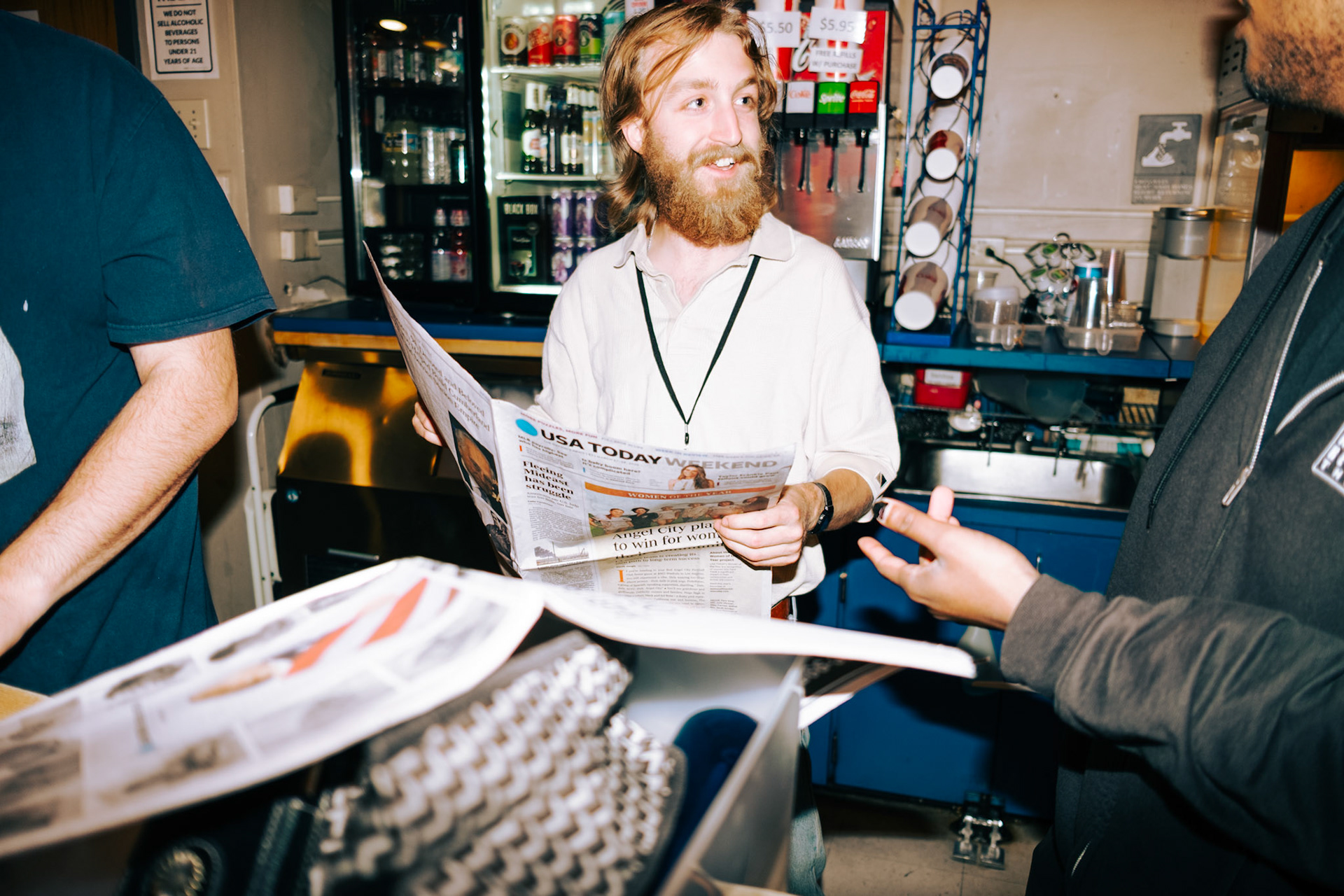
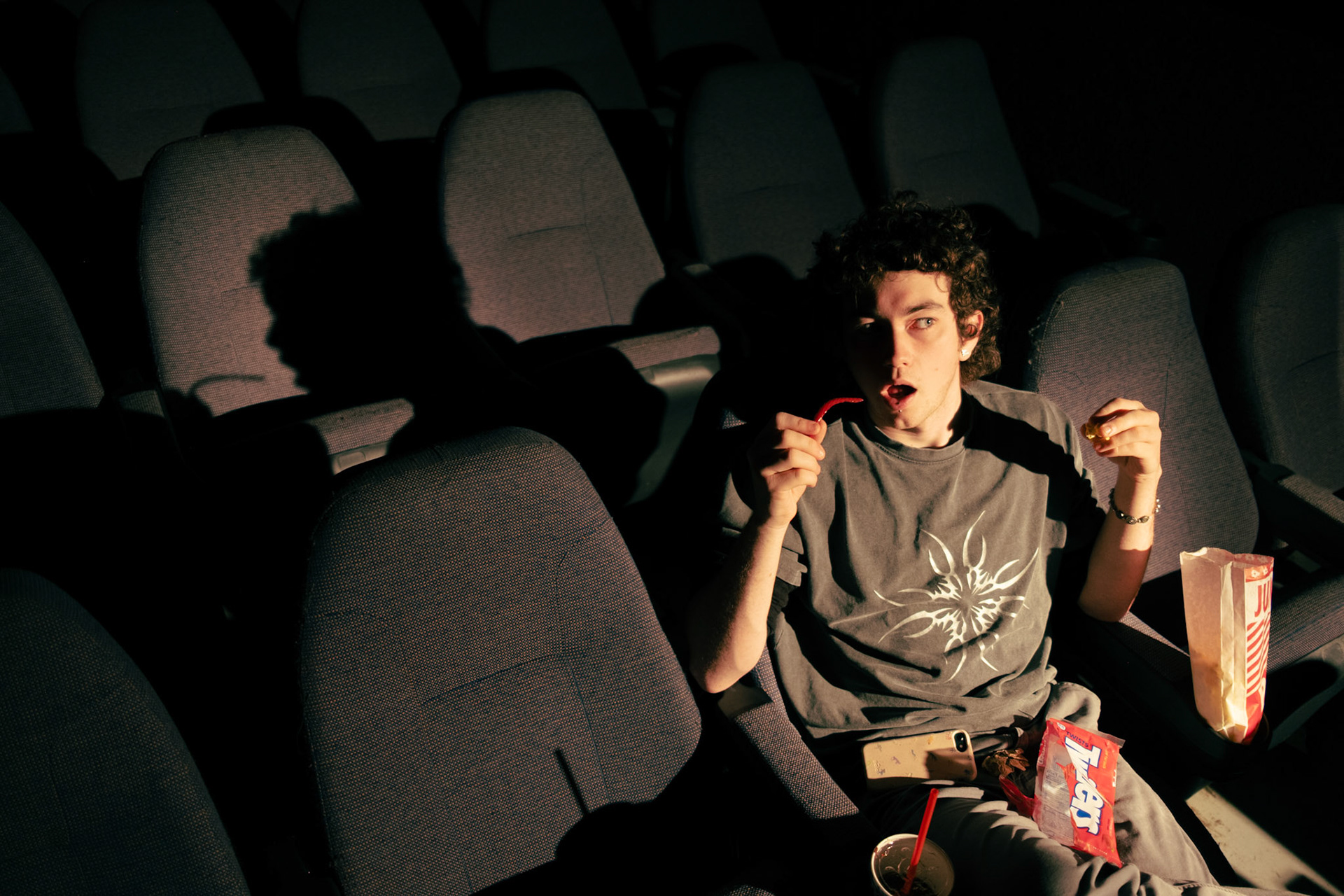
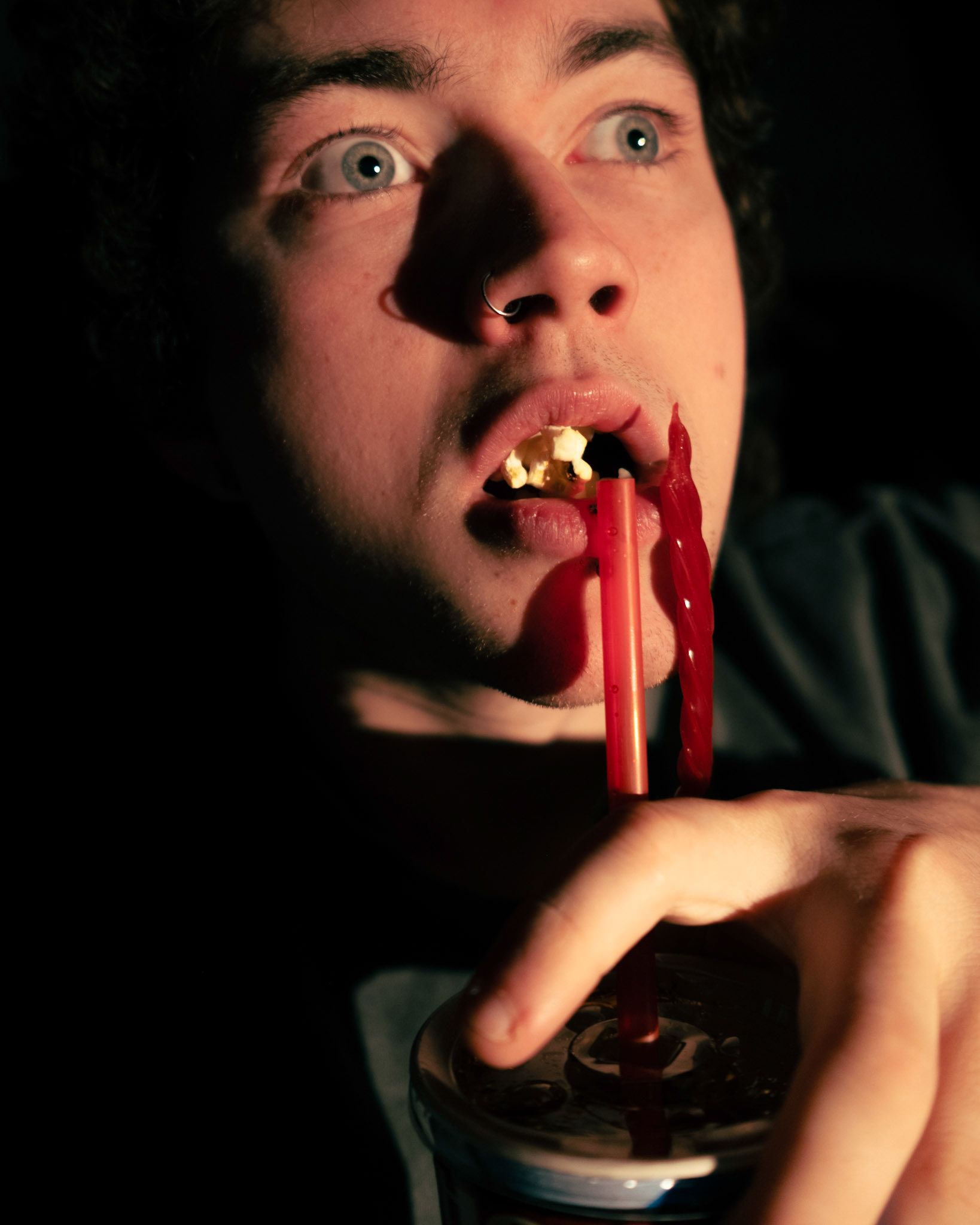
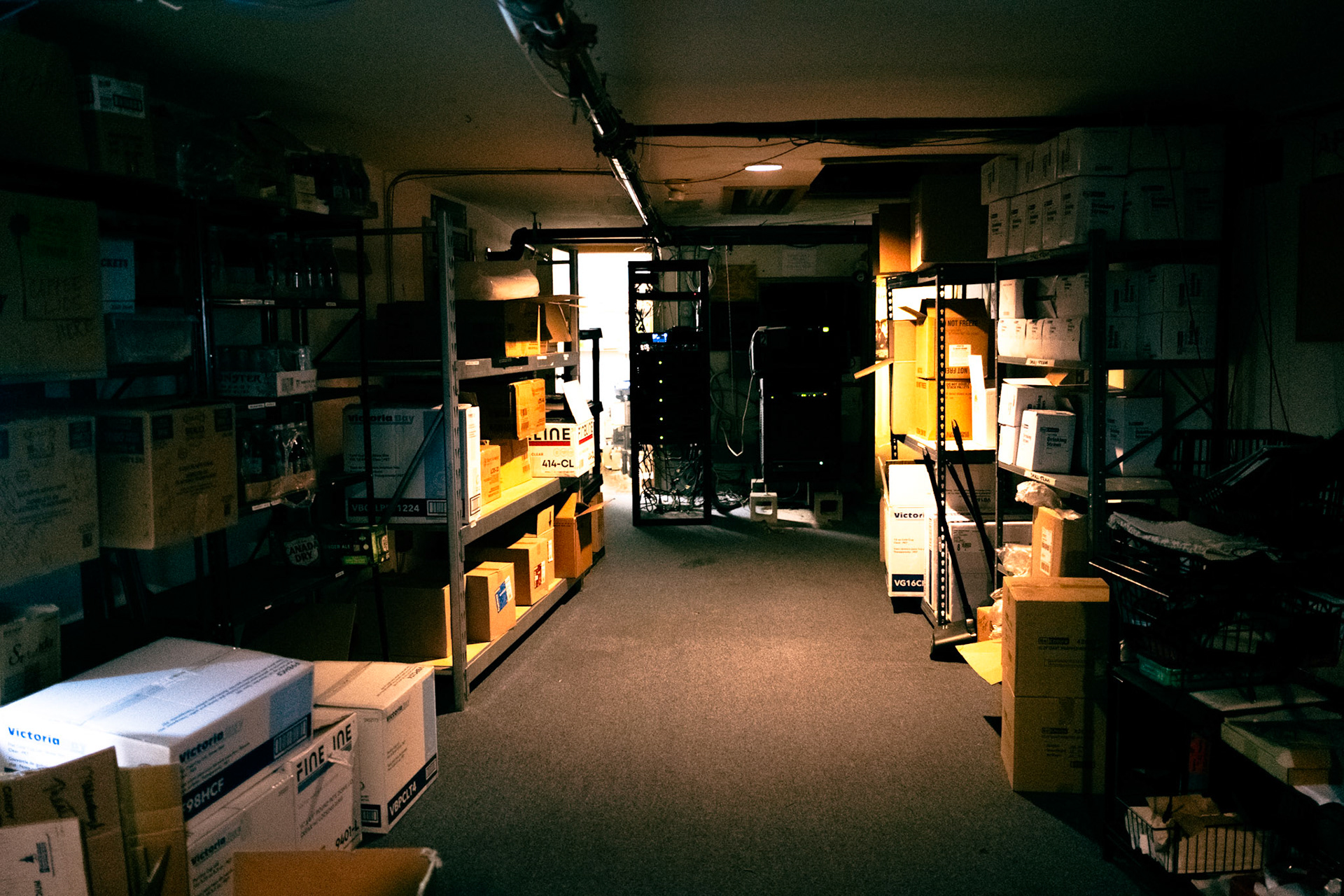
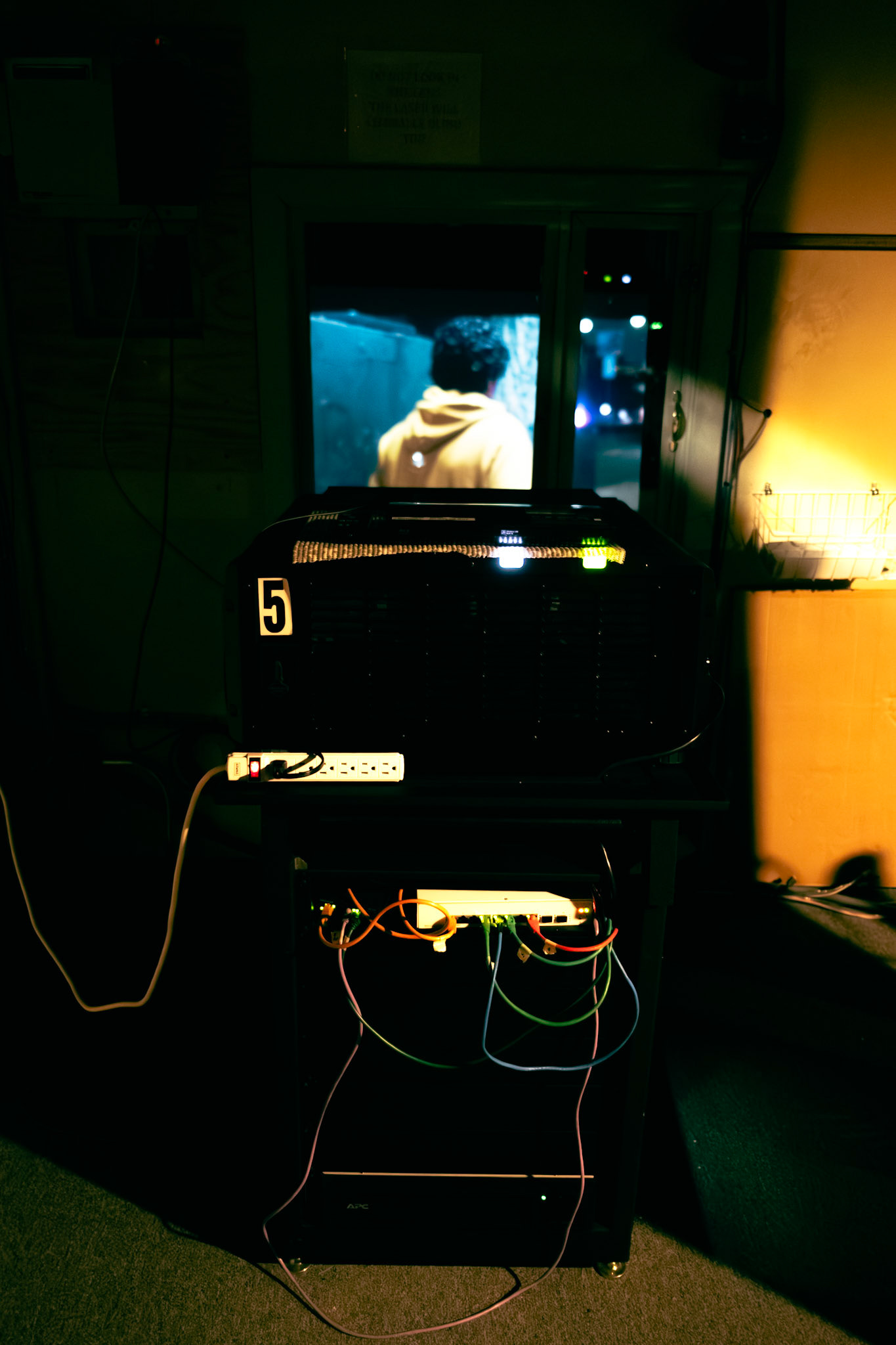
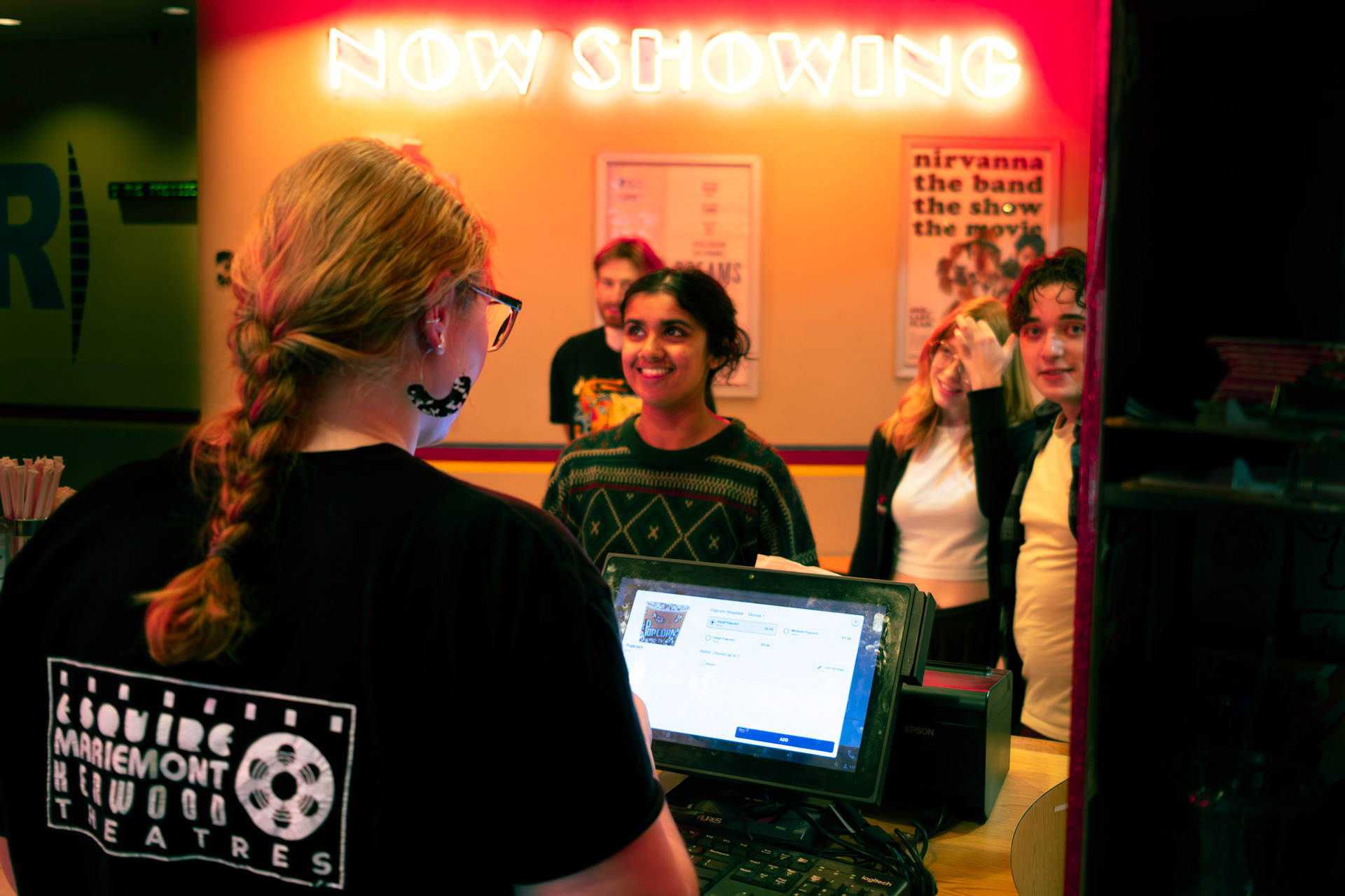
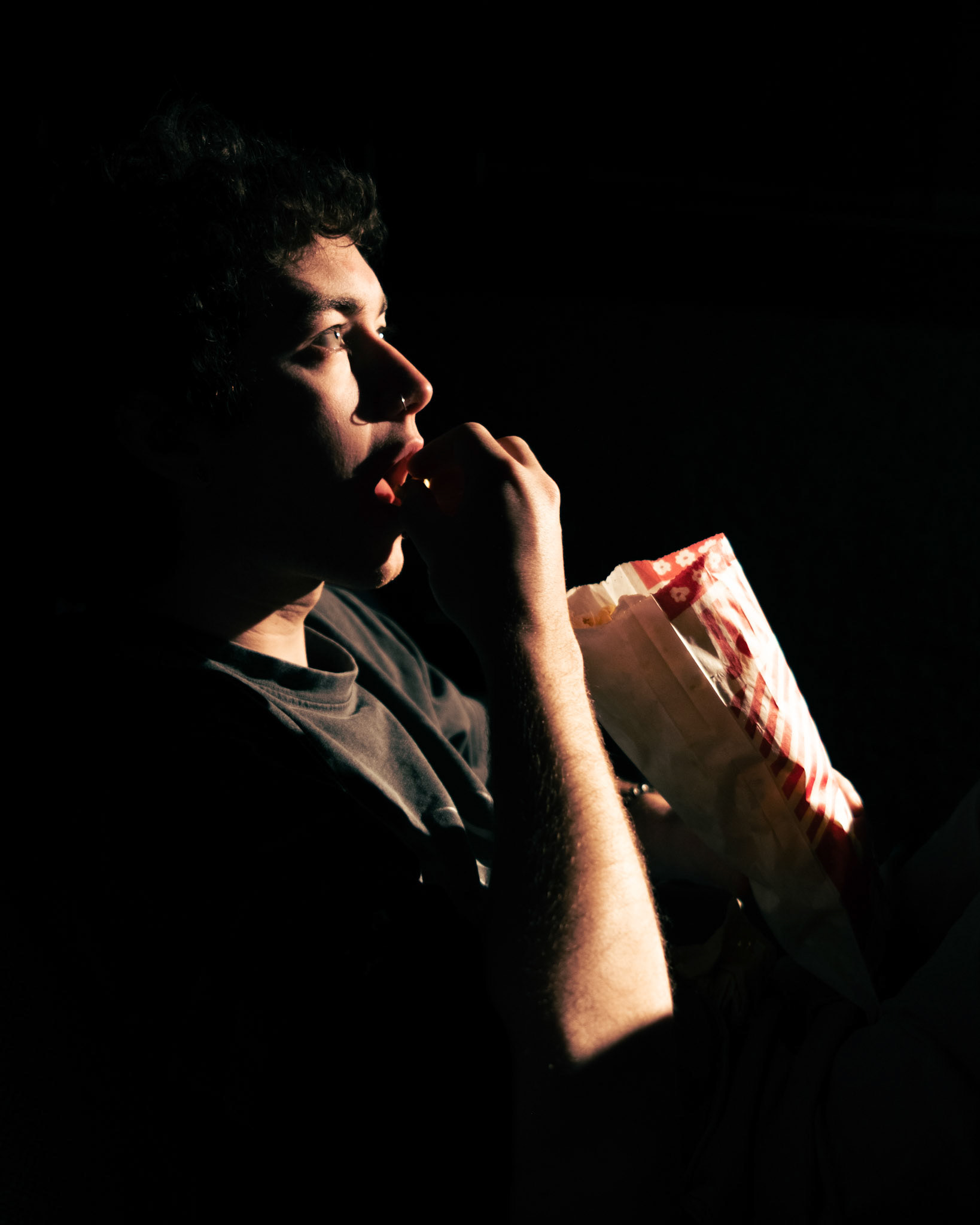
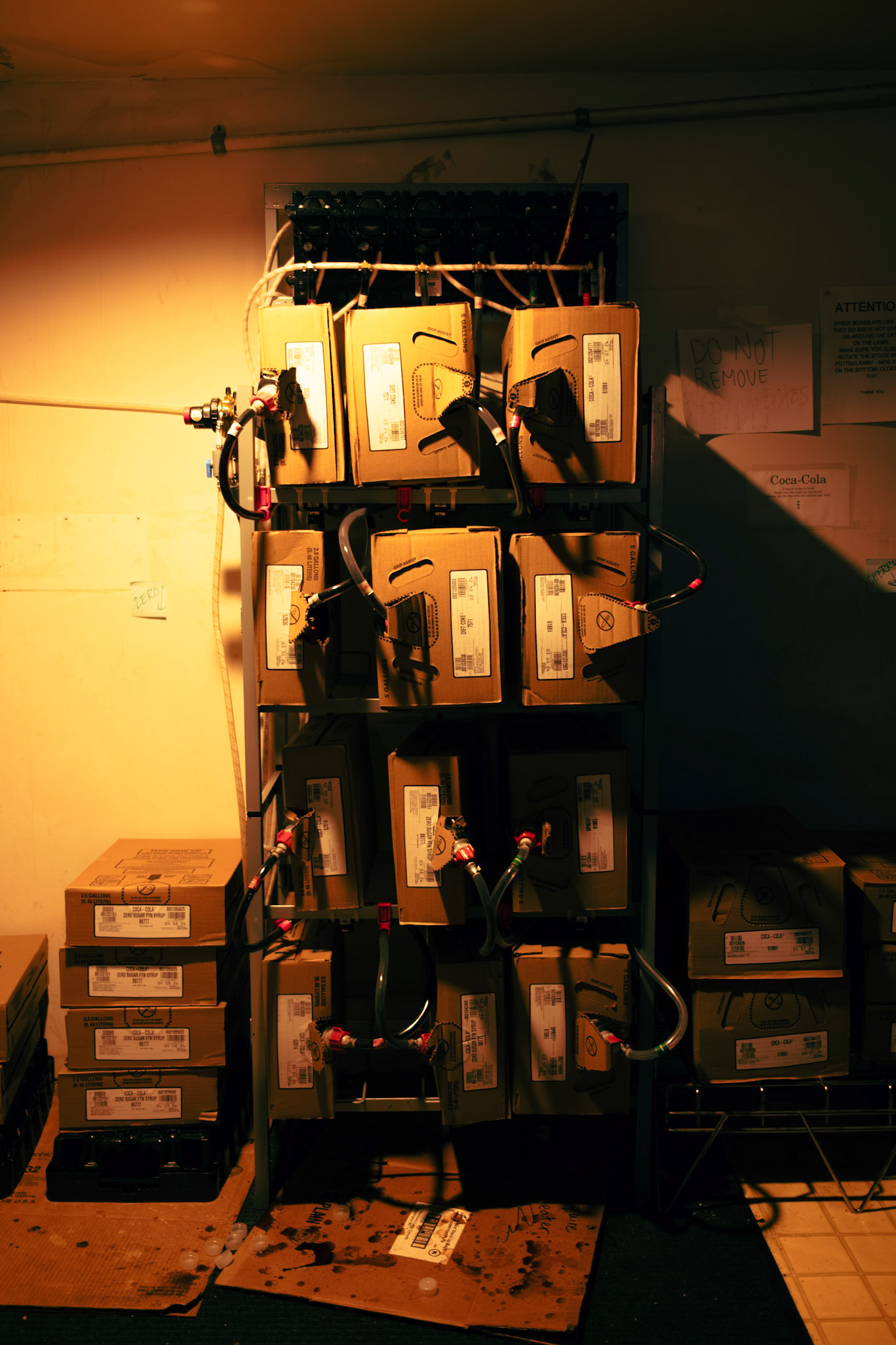
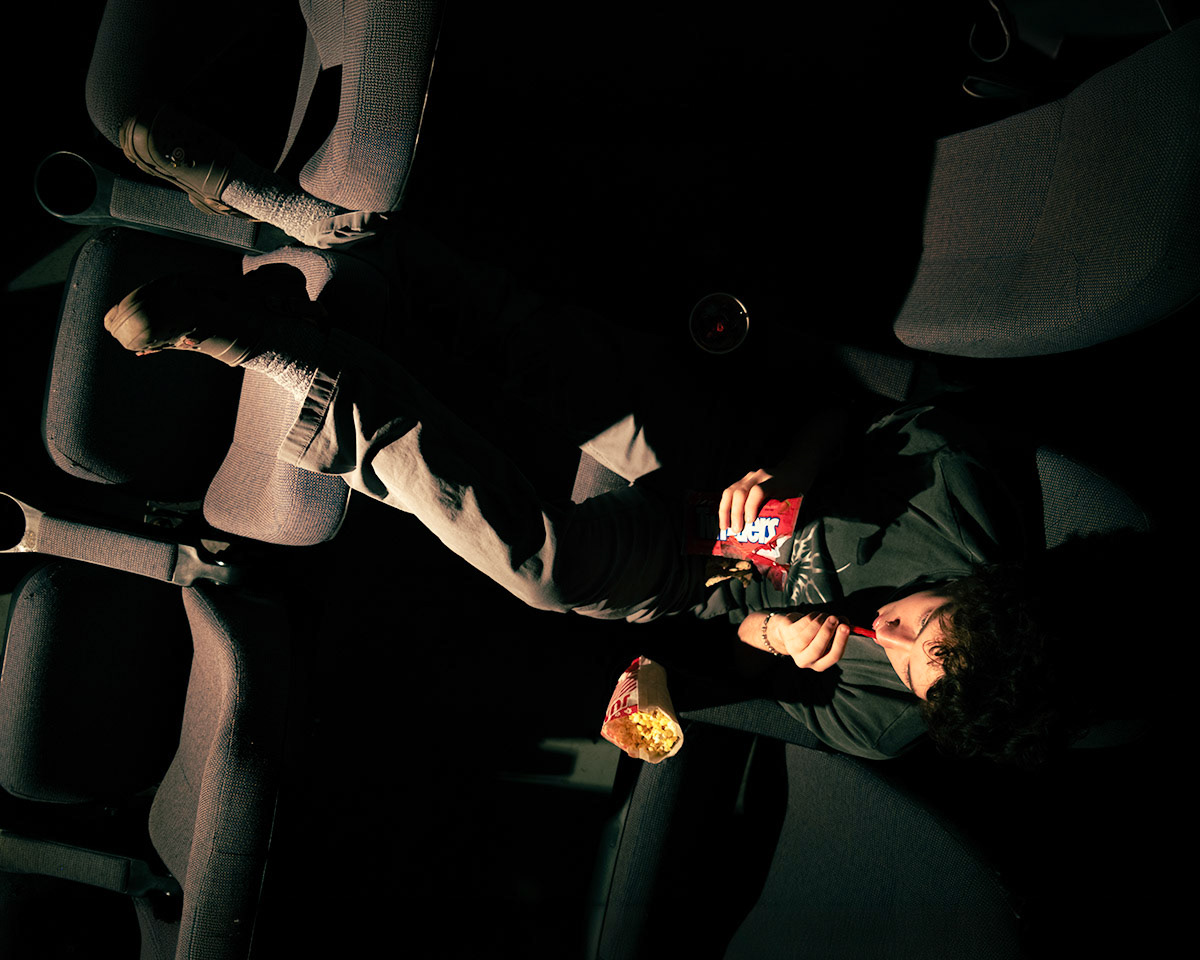
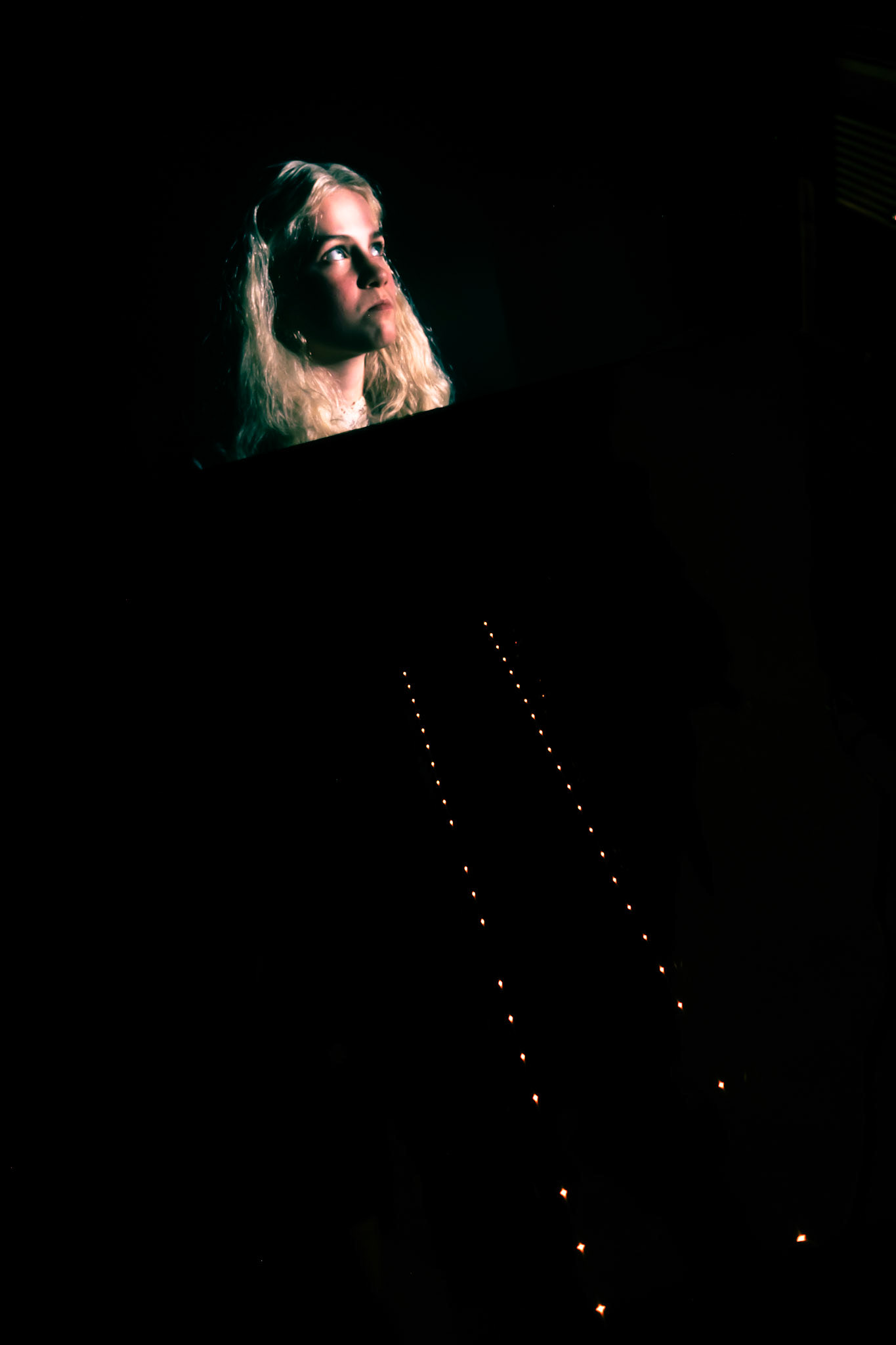
For this project, I want to play into the relationship between cinema and photography by capturing the feeling of “the escape": fleeting moments, colorful environments, and fantastical experiences that allow us to step outside of reality for a few hours. At the same time, I want to contrast this with what happens behind the scenes: the “boring” managerial work upstairs that is rarely seen, thought about, or appreciated, yet without it, none of the experiences inside the screening rooms could exist.
Mood Board / Color Palette

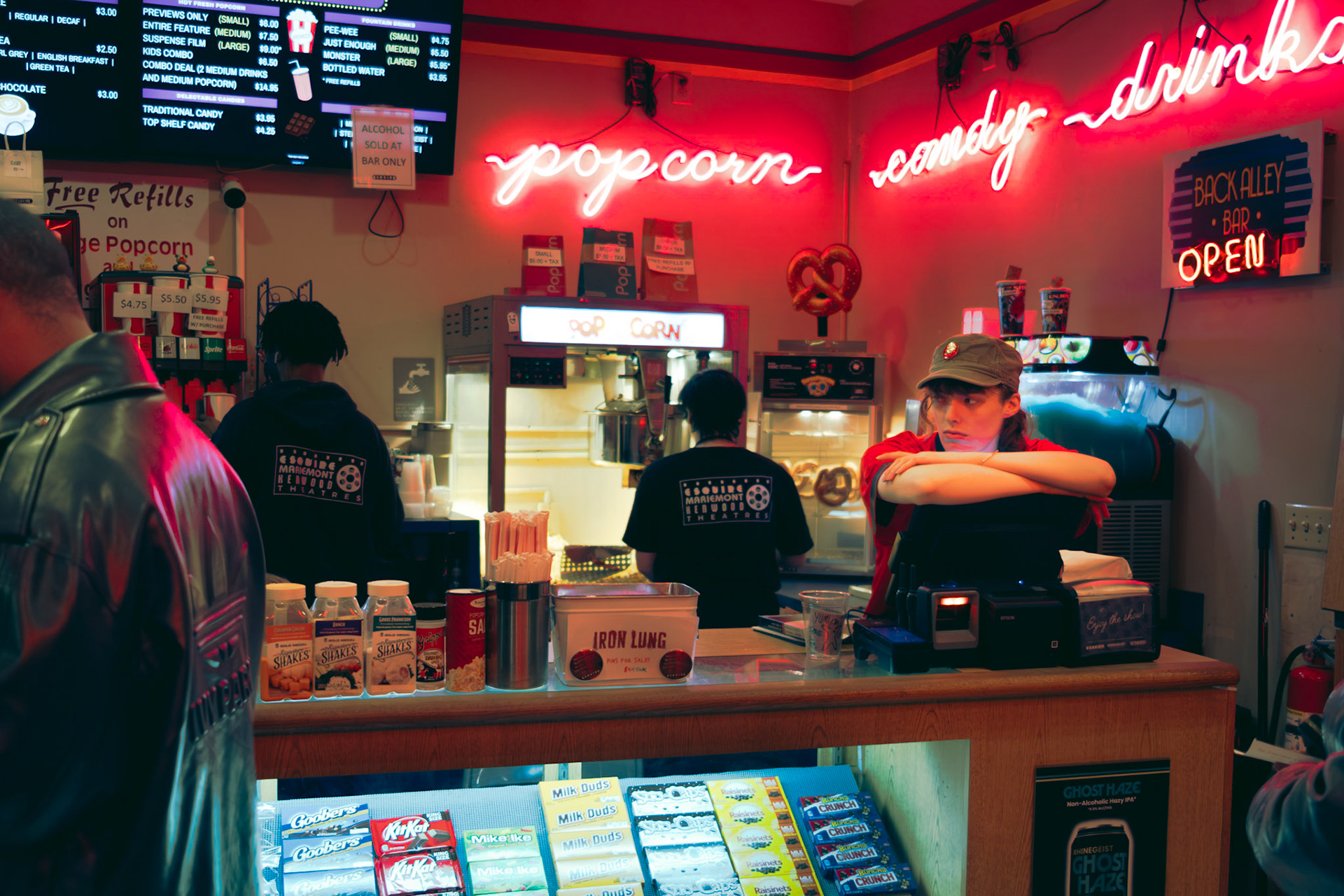
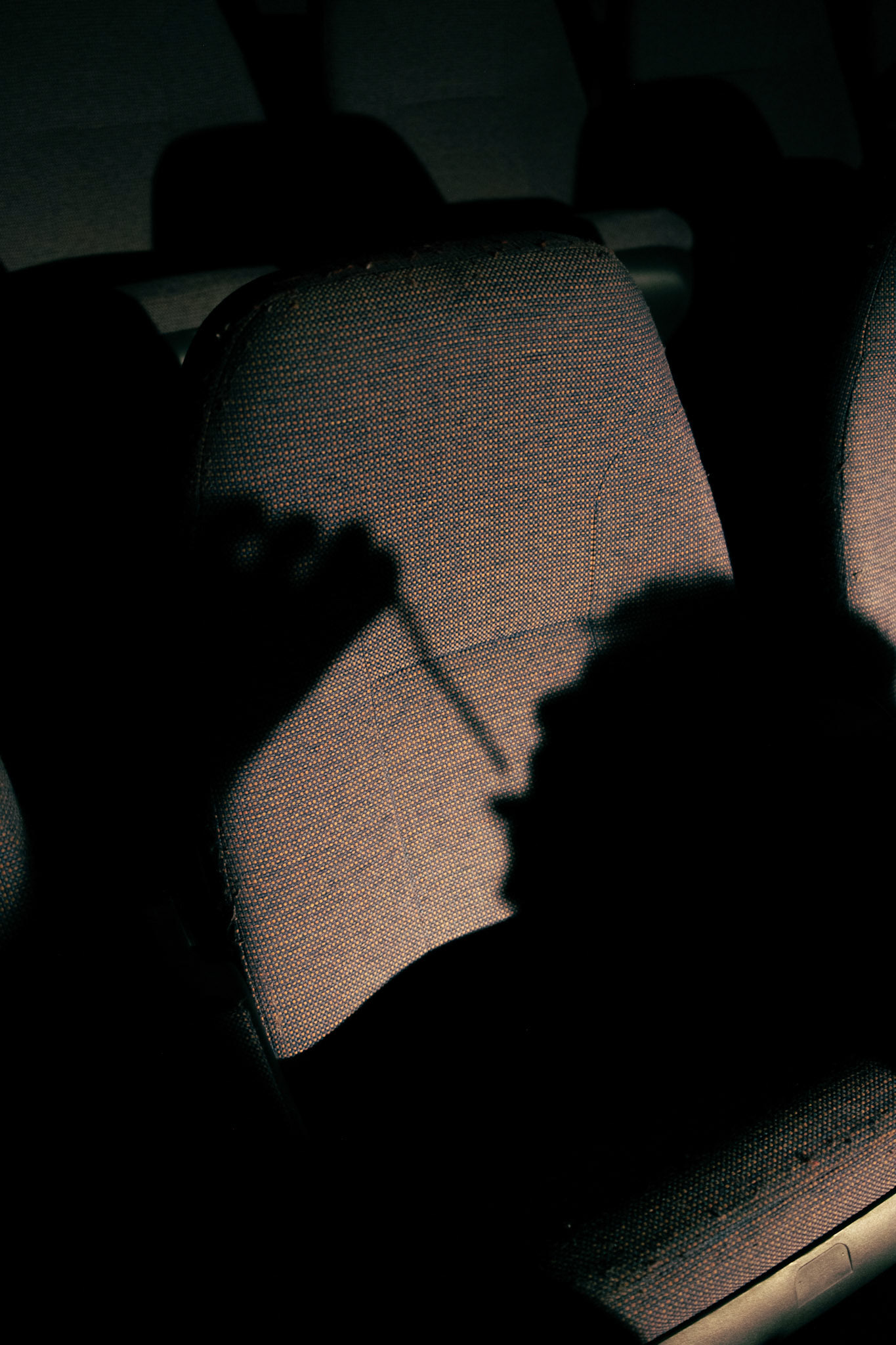
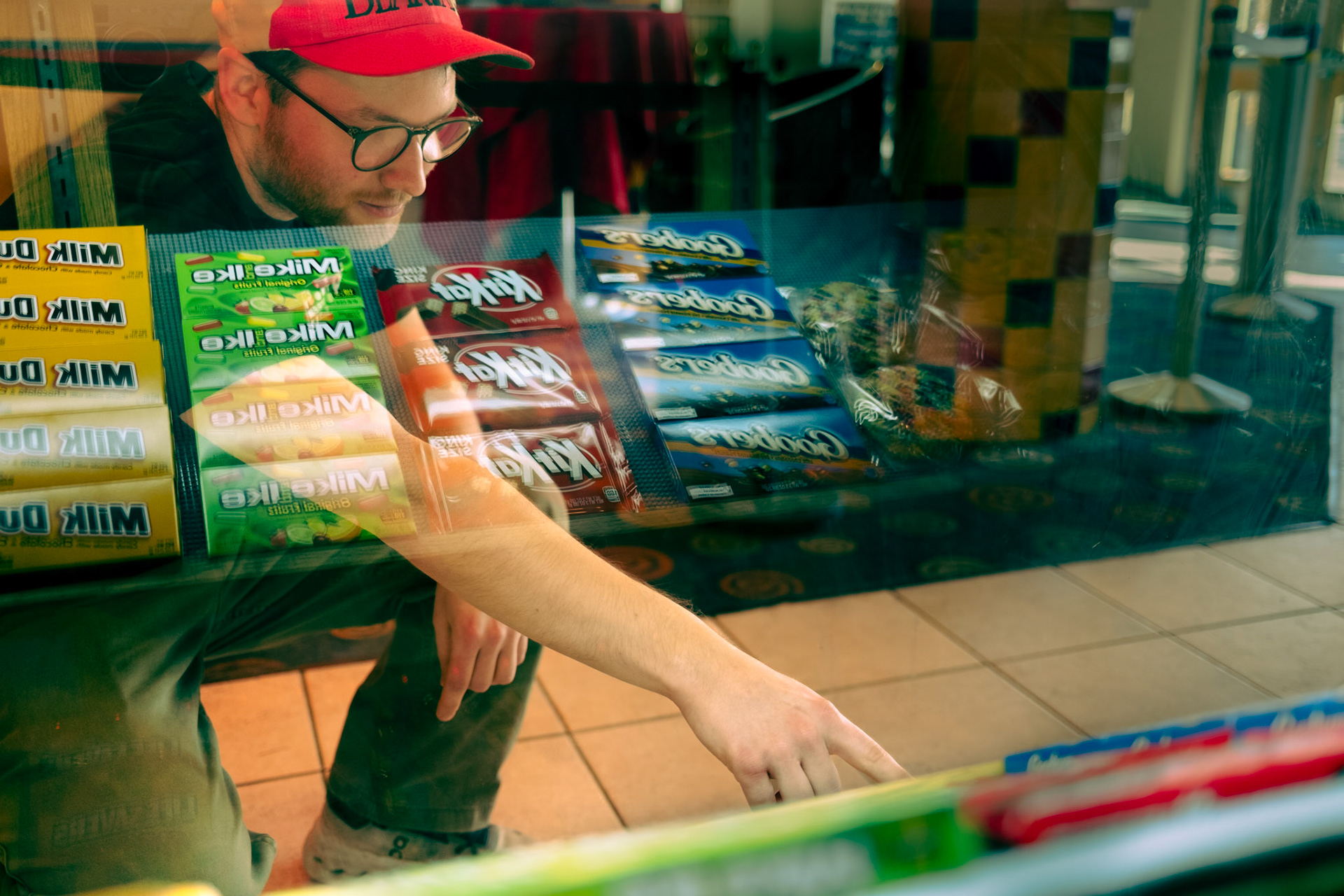
Visually, I want the project to feel raw, cinematic, and slightly surreal. I plan to use high-contrast lighting and color to emphasize the theatrical qualities of the space, while incorporating intimate portraits of employees, overlooked objects, and items left behind throughout the theater. I am leaving space to develop my own interpretation of what a theater looks and feels like.
Interviews
To better understand the life between the walls of the Esquire Theater, I conducted interviews. The following are summaries from interviews conducted in February, 2026.
Kevin — General Manager
Kevin describes the Esquire as a community-driven, independent theater that feels more like a living organism than a business. He values its non-corporate atmosphere, niche film selection, and the opportunity to connect with people who share his passion for film. He describes the theater’s audiences as diverse and constantly changing depending on the films being shown, while emphasizing the strong relationships among employees. He also reflects on the Esquire’s history, including its origins as an opera house and the community effort that helped preserve it. Despite challenges from COVID, limited resources, and changing moviegoing habits, Kevin sees himself as a steward of the theater and its future.
Connor — Employee
Connor’s interview focuses more on the personal experience of working within the Esquire community. He was drawn to the theater because it is locally owned and offers a family-like environment rather than the corporate atmosphere of a chain theater. He takes pride in contributing to a Cincinnati institution and was surprised by how close he became with his coworkers. While the job can be tedious and is not particularly well-paid, he finds the community, staff movie nights, and shared experiences fulfilling. His perspective reinforces the idea that the Esquire’s identity is shaped not only by its films, but by the people who work there and the relationships they build.
Photo Analysis
After a few weeks of photographing at the Esquire, I printed my strongest images to experiment with sequencing, explore different layouts, and evaluate the photographs side by side.
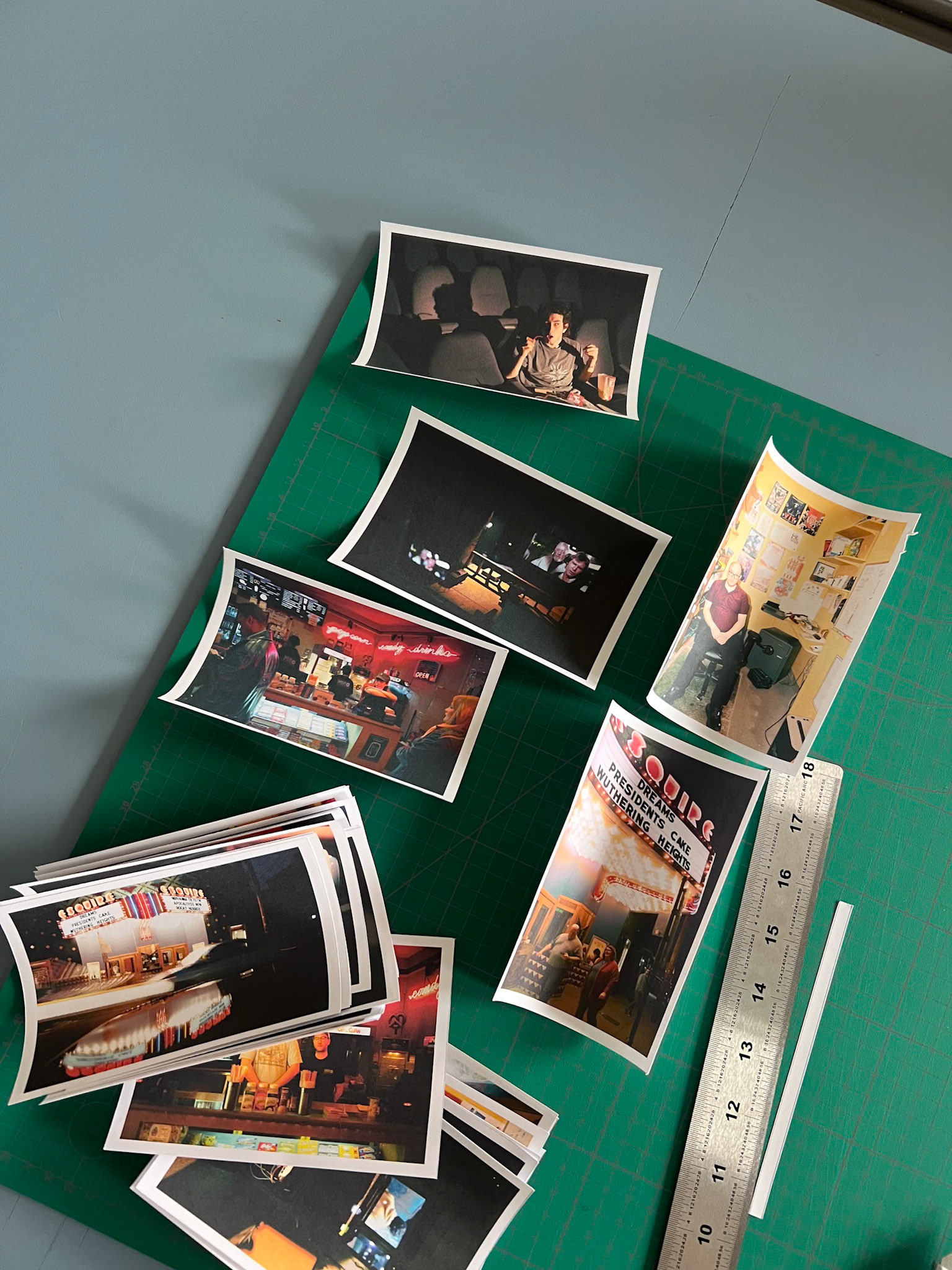
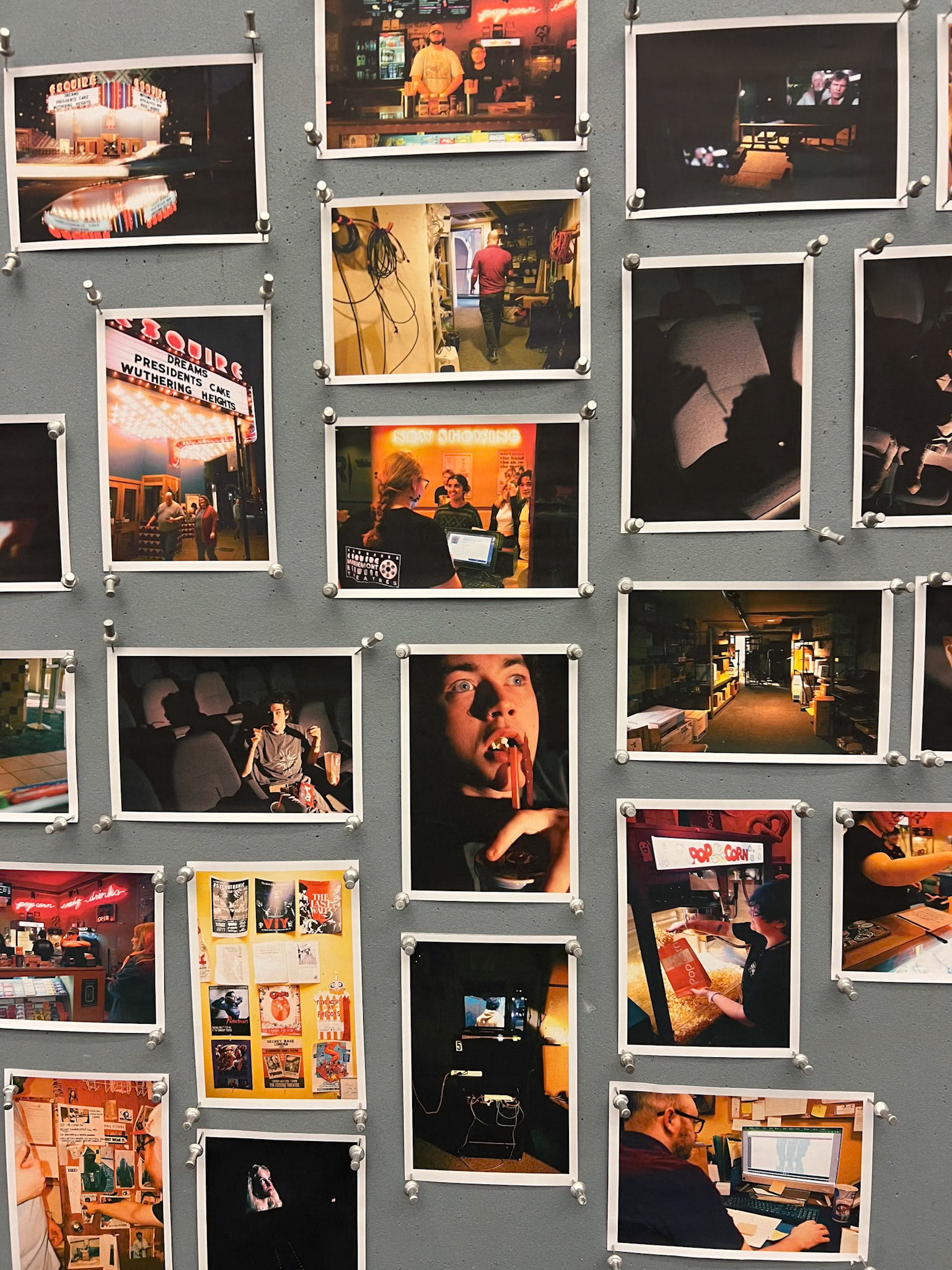
I aimed to select 20 final photographs that were individually unique while still functioning as a cohesive body of work.
I compared visually similar images to determine which were strongest and contributed most effectively to the overall narrative.
Comparison Sample

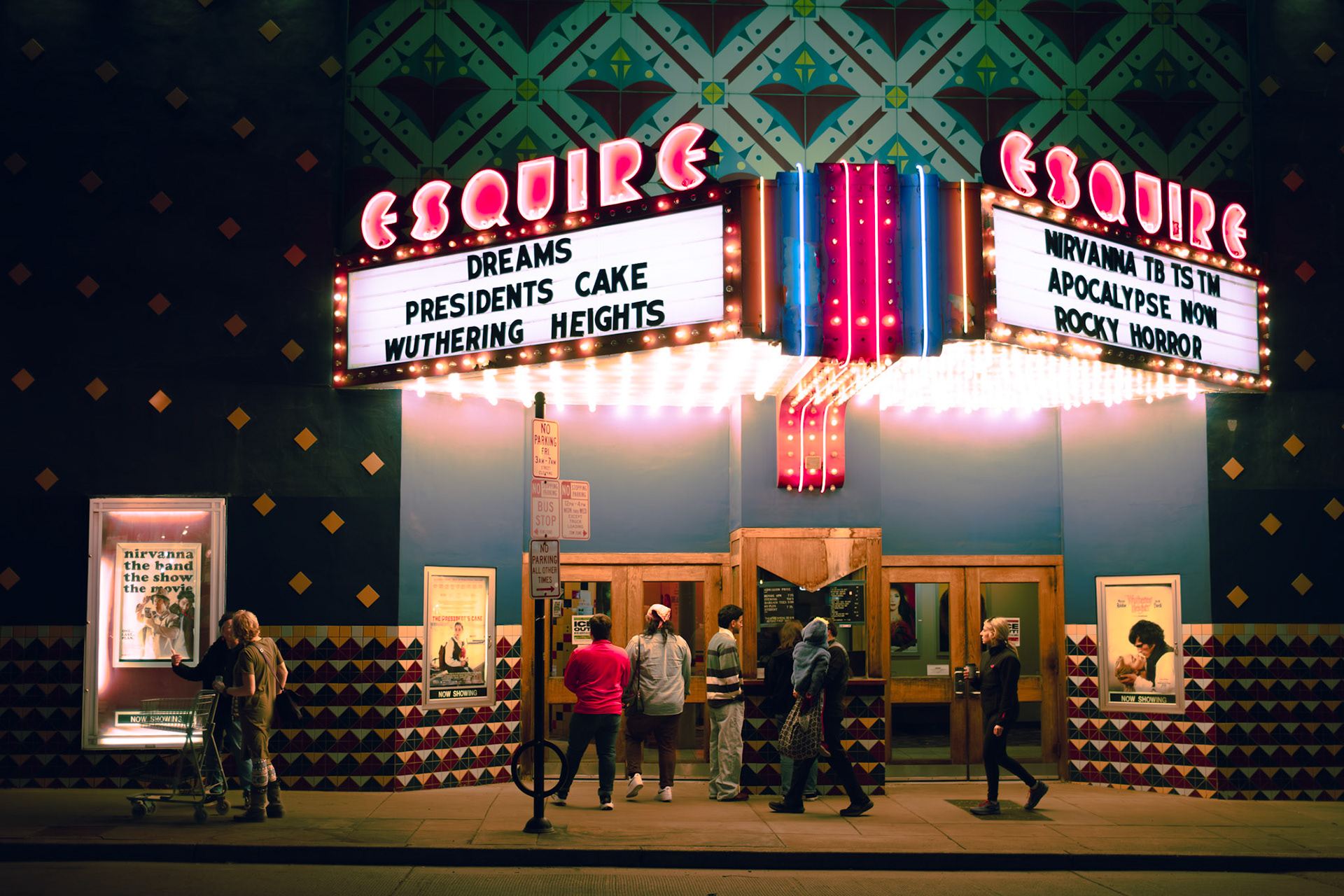
The slow-shutter, off kilter reflection (left) emphasizes the movement of the busy street and the bright lights of the theater, while the frozen, perfectly framed portrait (right) better captures structure of the theater’s bustling facade.
I ultimately chose the photograph on the right, though the image itself is more "predictable," it establishes the theater as a strong, un-changing presence within the Cincinnati community through perpendicular lines.
Final Shots




All this slavish mirroring of the human condition feels like a bird singing in front of mirrors. The less a work of art reflects the world, the more it is in the world, having its natural being like anything else. Film must be free from all imitations, of which the most dangerous is the imitation of life.
— Stan Brakhage